Key Factors That Speed Up Recovery After Joint Replacement Surgery
Published 20 March 2026 · Dr. Dheeraj Dubay

Recover Faster & Stronger: A Guide to Post-Surgery Success
The process of undergoing the procedure of joint replacement, regardless of whether it's to or around the hip, is a life-changing choice that eases inflammation, eases pain, and increases mobility. Although the recovery process varies for every person, there are certain elements that can speed up recovery. These are four essential factors that can dramatically improve recovery following the joint surgery:
4 Essential Factors for Faster Recovery
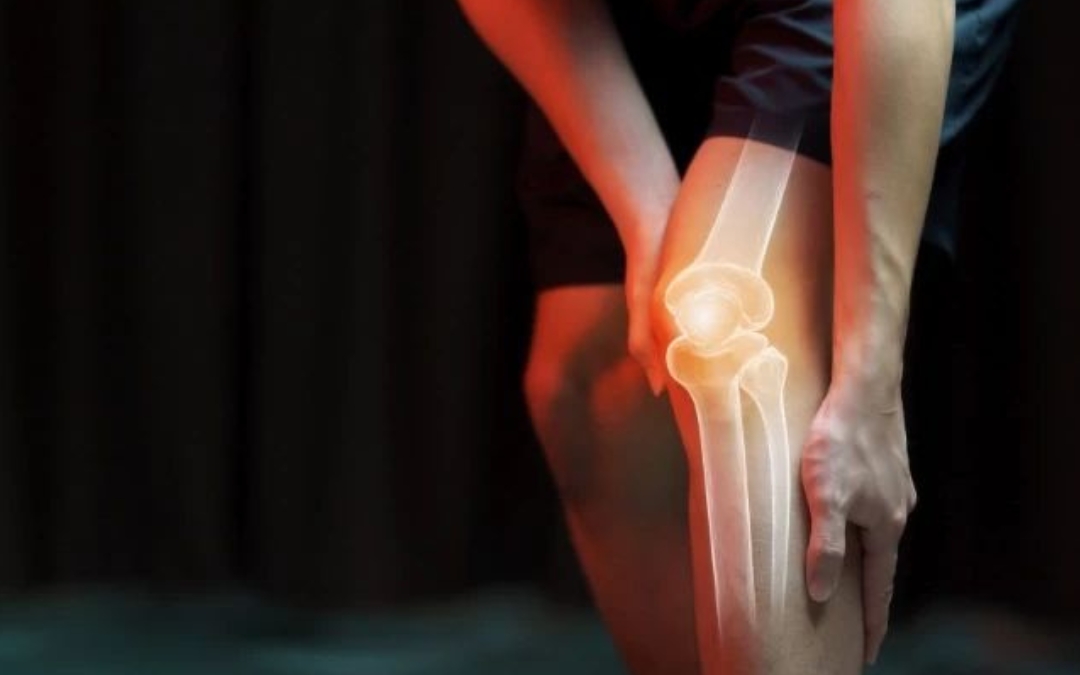
1. Early Mobilization and Physical Therapy
The most important factor in getting your body back to full recovery following replacing a joint is to start exercise and exercise routines as soon as you can. The body must regain the flexibility, strength, and functionality within the joint that has been replaced. Although it might initially be uncomfortable, it is important to move under the supervision of a qualified professional physical therapist.
Why It Helps:
●Reduces stiffness Moving early reduces stiffness in joints and increases circulation, helping lessen swelling and accelerate healing.
●Muscles are strengthened: Physical therapy aids in building the muscles around the joint, ensuring greater support and functionality.
●Reduces the chance of blood clots Post-surgery movements improve circulation and lower the chance for deep vein thrombosis (DVT).
How to Approach It:
●Talk to a physical therapist to design a bespoke rehabilitation program.
●Begin by doing easy exercises, gradually moving on to more difficult movements as fitness and mobility increase.
2. Effective Pain Management
A proper control of pain is vital to ensure a swift and smooth recovery. Insufficiently managed pain may prevent your body from moving, which can lead to stiffness and slow healing. which can negatively affect recovery.
Pain Management Techniques:
●Medicines: Your orthopedic surgeon might prescribe pain relievers in the first few days following surgery.
●The use of heat and ice: Ice helps reduce swelling, and warmth relaxes and reduces stiffness.
●Alternative treatments: Methods like Acupuncture or TENS (transcutaneous electrical nerve stimulation) may help relieve the pain.
3. Proper Nutrition and Hydration
A healthy diet is a key factor in the recovery process post-surgery. Nutritional balance provides vital nutrients necessary to aid in healing of tissues as well as healing of bones. Hydration plays an important part in preventing complications following surgery such as constipation and dehydration.
Why It Helps:
●Enhances the healing of tissues: Proteins, vitamins (especially vitamins C and D), zinc, and calcium aid in osteoporosis and boost immunity.
●Reduces inflammation Anti-inflammatory food items help to reduce the swelling and discomfort at the site of surgery.
●Enhances energy levels A healthy diet will ensure the highest levels of energy to perform training exercises and other daily routine activities.
Nutritional Tips:
●Consume protein-rich food items such as eggs, lean meats, beans, and nuts to help with the repair of tissues.
●Consume foods that are anti-inflammatory, such as turmeric, salmon, berries, and green tea.
●Keep hydrated by drinking plenty of fluids, particularly in the first stages of recovery.
4. Mental and Emotional Well-being
Your mental well-being plays a significant role in the speed at which you recover. Maintaining optimism and focus can keep you on track throughout the healing process. Being mentally prepared for post-surgery difficulties as well as having a solid network of support will make recovering easier.
Why It Helps:
●Reduces stress High stress levels could negatively affect the healing process and create muscular tension.
●Increases motivation: The positive outlook can help you remain focused on rehab.
●Reduces the risk of depression Dependence on other people for everyday activities can be difficult emotionally. A strong support system helps manage emotions during recovery.
How to Maintain Emotional Well-being:
●Keep in touch with family and acquaintances to offer emotional help.
●Use relaxation techniques such as deep breathing meditation, mindfulness, and deep breathing to help reduce stress.
●Set realistic goals for recovery as well as celebrate the small accomplishments.
← Back to all postsRecent Posts
Signs You May Need a Joint Replacement Surgery
Insights by Dr. Dheeraj Dubay, Best Knee Replacement Surgeon in Jaipur
Causes of Hip Pain and When to Consider Hip Replacement
Insights by Dr. Dheeraj Dubay, Best Hip Replacement Surgeon in Jaipur

Preparing for Joint Replacement Surgery: A Step-by-Step Guide
Things to Do Before Joint Replacement Surgery

Total knee replacement
Regain Mobility with Expert Total Knee Replacement
Key Factors That Speed Up Recovery After Joint Replacement Surgery
Recover Faster & Stronger: A Guide to Post-Surgery Success